
A straight-talk guide from your neighbors at Alatec Heating & Cooling in Fultondale, Alabama
If you’ve lived in the greater Birmingham area for more than one summer, you already know what’s coming. By late May, that heat isn’t just uncomfortable — it’s relentless. It doesn’t cool off much at night. Your AC runs longer, works harder, and if something is quietly wrong with it, that’s when you’re going to find out.
We’ve been doing this work since 1980. In that time, we’ve answered a lot of calls in July from homeowners whose systems stopped working on the hottest day of the year. Nine times out of ten, there were warning signs in the spring — they just didn’t know what to look for.
This post is here to change that.
What an Alabama Summer Actually Does to Your HVAC System
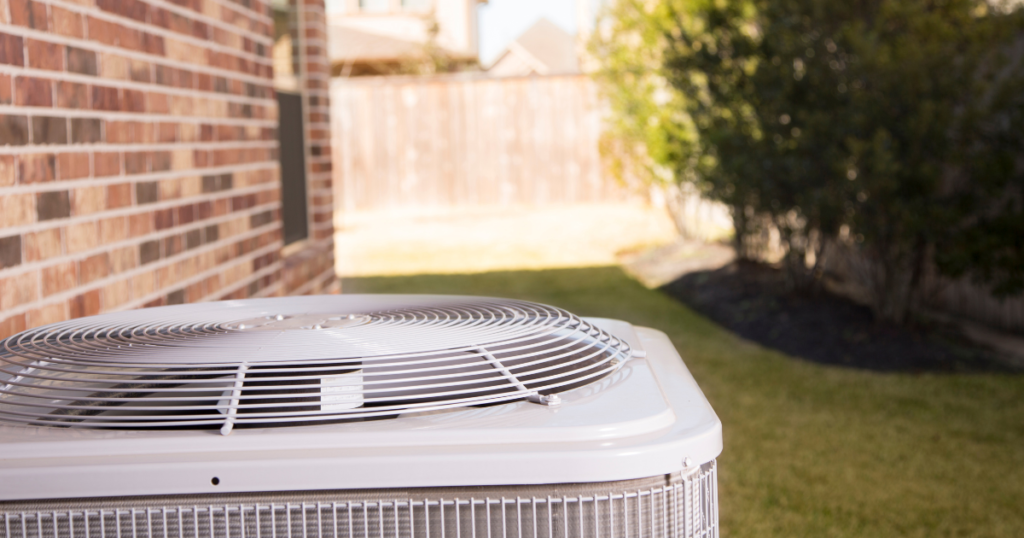
This isn’t a mild Mid-Atlantic summer we’re dealing with. When temperatures push into the mid-90s and humidity makes it feel like you’re walking through a warm wet towel, your air conditioner isn’t just cooling — it’s dehumidifying constantly, cycling on and off for hours on end, and managing temperature swings that stress every component in the system.
The refrigerant lines, the condenser coils, the blower motor, the capacitor — all of it is under more load in a single Alabama July than most systems see in six months anywhere else. That’s not an exaggeration. That’s just geography.
And when a system fails under that kind of load, it doesn’t usually wait for a weekday morning. It waits for a Saturday night when it’s 94 degrees and you have a houseful of people.
Signs Your AC Is Telling You Something Right Now
Before we talk maintenance, let’s talk warning signs. If your system is doing any of the following, it’s worth getting eyes on it before the peak heat hits.
Warm or inconsistent air coming from your vents. If some rooms are cooling and others aren’t, or the air just doesn’t feel as cold as it should, that could mean low refrigerant, a dirty evaporator coil, or a failing compressor.
It’s running constantly but not keeping up. A system that runs non-stop without reaching your thermostat’s set point is working itself to death. That’s a red flag for refrigerant issues, a dirty filter, or duct problems.
Higher electric bills without a clear reason. If your May bill jumped compared to last year and your habits haven’t changed, your system is likely working harder than it should to do the same job. Inefficiency costs money every single day it goes uncorrected.
Strange sounds — clicking, banging, or a high-pitched squeal. These aren’t sounds to wait on. Clicking at startup or shutdown can indicate a failing capacitor. Banging is often a loose or broken part in the blower. Squealing can be a belt or motor bearing issue. None of them get better on their own.
The system short-cycles — turns on, runs for two minutes, shuts off, repeats. Short-cycling is hard on compressors and usually points to an oversized system, refrigerant problems, or a frozen evaporator coil.
If you’re experiencing any of these, the best move is a service call now, not in the middle of August. Our AC repair and diagnostic team is available 24/7 with no overtime charges — that’s not a gimmick, it’s just how we’ve always operated.
What a Professional Pre-Summer Tune-Up Actually Covers
A lot of people hear “maintenance” and think it means changing a filter and calling it a day. A real tune-up done by a certified technician is quite a bit more involved than that — and it matters.
According to the ENERGY STAR program, a proper AC maintenance visit should include checking refrigerant levels, tightening electrical connections, measuring voltage and current on motors, cleaning the blower and coil components, and verifying correct system airflow. They note that airflow problems alone can reduce your system’s efficiency by up to 15 percent.
When our technicians perform a tune-up, here’s what that actually looks like on your property:
- Refrigerant check and adjustment. Too much or too little refrigerant doesn’t just hurt efficiency — it shortens the life of the compressor. This is one of the most important checks we make.
- Electrical connections and capacitor inspection. Loose connections cause unsafe operation. Capacitors are one of the most common failure points on AC systems, and a bad one can take your whole system down on a hot day.
- Coil cleaning — inside and out. Dirty evaporator and condenser coils make your system work harder. A clean coil can make a noticeable difference in how quickly your home cools down.
- Blower motor and belt check. We confirm airflow is correct throughout the system and that the motor is running within normal parameters.
- Drain line flush. A clogged condensate drain can cause water damage and trip your system’s safety shutoff. We clear it before it becomes a problem.
- Thermostat calibration. If your thermostat is reading two degrees off, your system is running longer than it needs to. Small thing, easy fix.
- Filter assessment. We’ll let you know what size and type of filter works best for your specific system, and when to change it.
A tune-up like this typically catches the issues that turn into emergency repairs. It also gives you a clear picture of where your system stands heading into the hottest stretch of the year.
When Repair Doesn’t Make Sense Anymore
There’s a point with any mechanical system where repair stops being the right answer — and we’ll tell you honestly when we think you’re there.
A rough rule of thumb: if your system is more than 10 to 12 years old and you’re facing a repair that costs more than half the price of a new unit, replacement is usually the smarter financial move. Older systems also run on refrigerants that are being phased out, which can make repairs more expensive over time.
When replacement is the right call, we install Rheem systems — and we do so as a certified Rheem dealer. Rheem builds some of the most reliable and efficient residential equipment on the market. Modern Rheem systems operate at significantly higher SEER2 efficiency ratings than equipment from even a decade ago, which translates directly to lower monthly utility bills throughout the cooling season.
We also offer financing options so that a new system doesn’t have to be an all-or-nothing decision. Replacing a 14-year-old unit shouldn’t put your family in a tough spot financially, and we’ll work with you to find something that fits.
A Few Things You Can Do Right Now at Home
You don’t need a technician for these, and they genuinely make a difference:
Check your air filter. Hold it up to a light. If you can’t see light through it, it’s time for a new one. A clogged filter restricts airflow, forces your system to work harder, and can cause the evaporator coil to ice over. This is the single easiest thing a homeowner can do to protect their HVAC system.
Clear the area around your outdoor unit. Your condenser needs airflow on all sides. Trim back any shrubs or vegetation, and make sure nothing is resting against the unit — yard furniture, tarps, storage bins. Give it at least two feet of clearance.
Check your vents and registers inside. Make sure none of them are blocked by furniture, rugs, or curtains. Closed or blocked vents create pressure imbalances that stress the system.
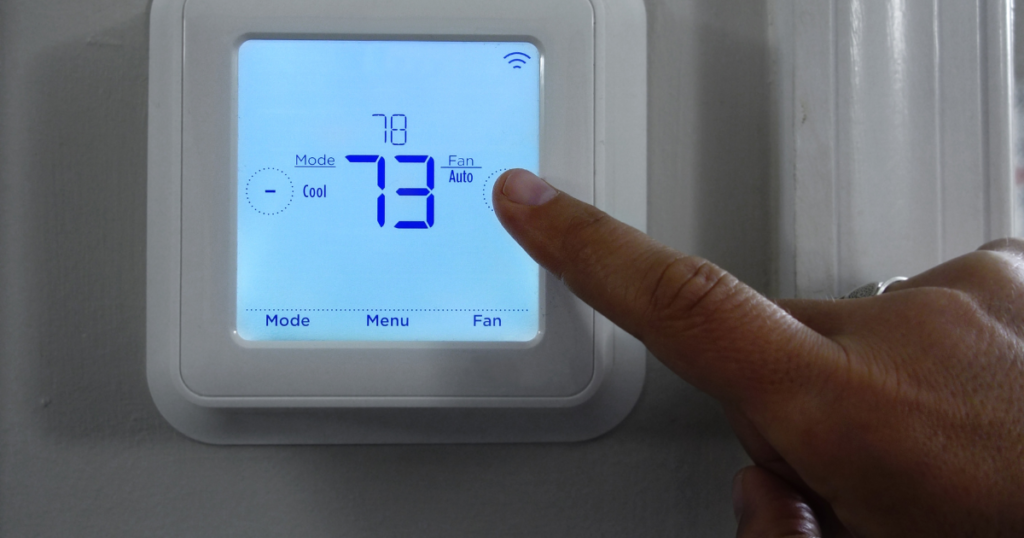
Set your thermostat a little higher when you’re away. Not off — just up. Running the system at 78 or 80 degrees while you’re at work rather than 72 keeps it cycling without working at full tilt all day. Smart thermostats make this effortless.
Listen to your system during the first warm nights. Turn it on for the first time this season and pay attention. Any new sounds, smells, or inconsistent cooling are worth noting and mentioning when you call for service.
Don’t Wait Until July
We say this every spring and we mean it every time: the homeowners who call us in June with a well-running system are the ones who actually get to enjoy their summer. The ones who wait until something goes wrong are the ones calling on a Friday night, sweating, hoping we can get there fast.
We can — and we will, because that’s what 24/7 service means. But you’d rather not need it that way.
If you’re in Fultondale, Birmingham, Gardendale, Trussville, Hoover, or anywhere else in the greater Birmingham area, give us a call before the heat gets serious. A pre-season inspection is far less expensive than an emergency repair, and the peace of mind is worth every penny.
Alatec Heating & Cooling 1012 Decatur Hwy, Fultondale, AL 35068 📞 (205) 841-7271 Available 24/7 | No overtime charges | Serving Greater Birmingham since 1980
Schedule your pre-summer AC tune-up or get a free installation estimate →